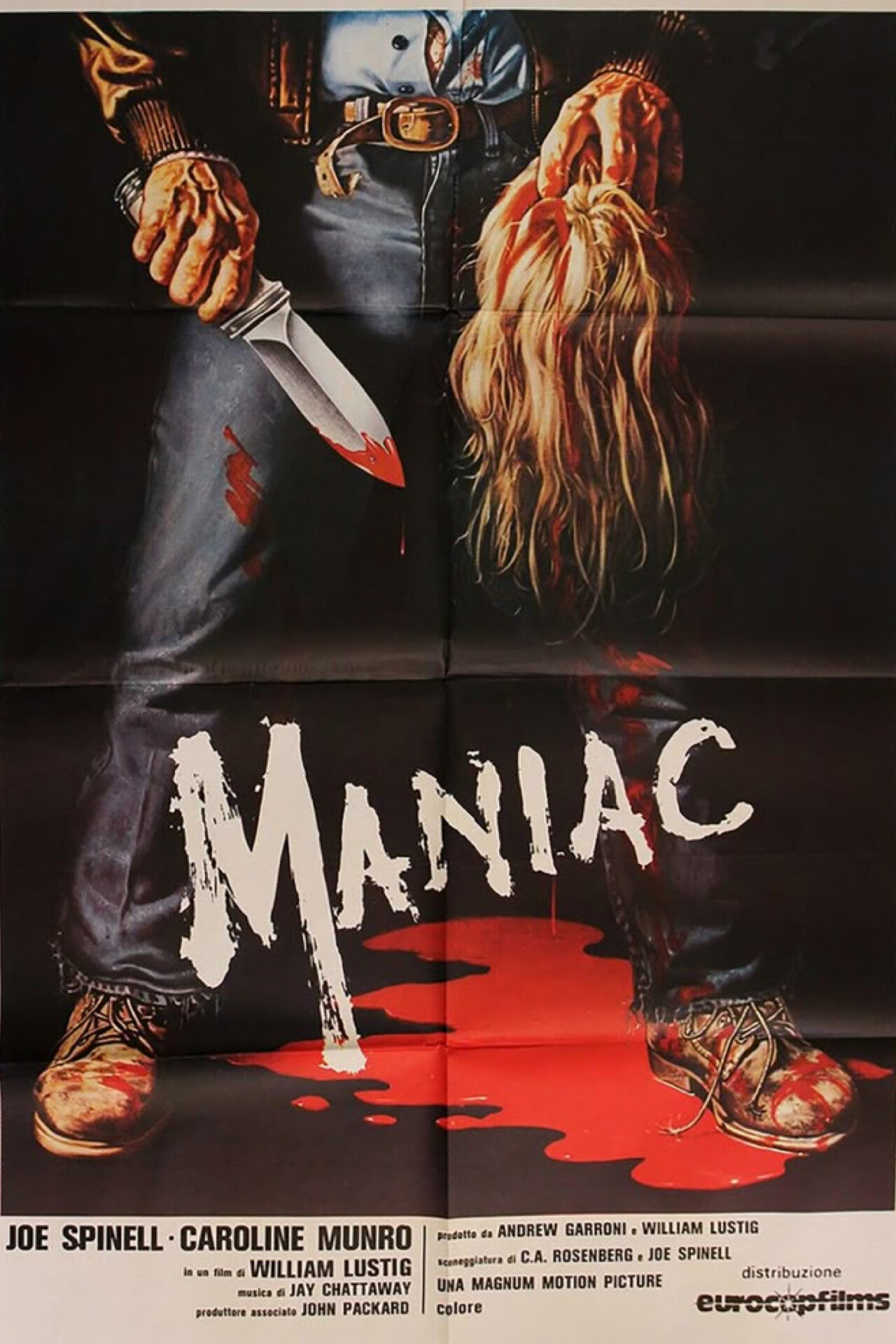
The Rise & Fall Of The Slasher Film
The history of slasher films is a fascinating journey through the evolution of horror cinema, marked by cultural influences, societal fears, and innovations in filmmaking. This subgenre is characterized by its focus on a psychopathic killer who stalks and murders a group of people, often teenagers, typically in a graphic and violent manner. The following exploration outlines the key phases in the development of slasher films, their cultural significance, and their lasting impact on the horror genre.
### **Origins of the Slasher Film (1960s-1970s)**
The roots of slasher films can be traced back to earlier horror films that laid the groundwork for the genre. Alfred Hitchcock's **"Psycho" (1960)** is often credited as the seminal slasher film, introducing many tropes that would become hallmarks of the genre, such as the shocking murder of a main character, the use of a mysterious and unstable antagonist, and a focus on psychological horror. The film's iconic shower scene and its chilling score are etched in cinematic history.
Following "Psycho," films such as **"Peeping Tom" (1960)** and **"The Texas Chain Saw Massacre" (1974)** further solidified the elements of the slasher genre. "The Texas Chain Saw Massacre," directed by Tobe Hooper, introduced audiences to Leatherface, a character that would become emblematic of the slasher archetype. The film's gritty realism and visceral violence shocked viewers and set a new standard for horror.
### **Golden Age of Slashers (Late 1970s-1980s)**
The late 1970s and 1980s marked the golden age of slasher films, characterized by an explosion of popularity and a surge of iconic franchises. **John Carpenter's "Halloween" (1978)** is often regarded as the film that defined the slasher genre. The character of Michael Myers, a masked killer who stalks and murders babysitters, became a cultural icon. "Halloween" introduced the concept of the "final girl," a trope where a female character survives to confront the killer, a theme that would recur in later films.
Following the success of "Halloween," a wave of slasher films emerged, including **"Friday the 13th" (1980)**, featuring the infamous Jason Voorhees, and **"A Nightmare on Elm Street" (1984)**, introducing Freddy Krueger, a supernatural antagonist who attacks victims in their dreams. These films not only provided thrills and chills but also tapped into societal fears and anxieties of the time, such as teenage sexuality, drug use, and the breakdown of the family unit.
### **Decline and Reinvention (1990s)**
By the early 1990s, the slasher genre faced a decline in popularity, often criticized for its formulaic plots and reliance on gore. However, this era also saw a reinvention of the genre with films like **"Scream" (1996)**, directed by Wes Craven. "Scream" cleverly deconstructed slasher tropes while paying homage to them, featuring characters who were aware of horror movie clichés. This self-referential approach revitalized interest in slasher films and influenced a new wave of horror that embraced satire and meta-commentary.
The success of "Scream" led to a resurgence of slasher films in the late 1990s and early 2000s, with sequels and new franchises emerging. Films like **"I Know What You Did Last Summer" (1997)** and **"Urban Legend" (1998)** capitalized on the popularity of the genre while introducing contemporary settings and themes.
### **Modern Slasher Films and Legacy (2000s-Present)**
In the 2000s and beyond, slasher films continued to evolve, with filmmakers experimenting with style and narrative. The rise of torture porn films, such as **"Saw" (2004)** and **"Hostel" (2005)**, shifted the focus from the traditional slasher formula to graphic depictions of violence and psychological horror. While these films often strayed from the classic slasher narrative, they highlighted a new direction for horror that emphasized extreme situations and moral dilemmas.
More recently, films like **"The Cabin in the Woods" (2011)** and **"Happy Death Day" (2017)** have blended slasher elements with other genres, incorporating humor, social commentary, and innovative storytelling techniques. These films reflect a contemporary audience’s desire for freshness in familiar tropes, demonstrating that the slasher genre remains relevant and adaptable.
### **Conclusion**
The history of slasher films is a testament to the genre's ability to reflect societal fears and cultural shifts while entertaining audiences with suspense and terror. From the psychological thrills of "Psycho" to the meta-horror of "Scream," slasher films have evolved, adapting to the times while maintaining their core elements. As filmmakers continue to explore and redefine the genre, the legacy of slasher flicks endures, proving that fear and fascination with the macabre remain integral to the cinematic experience.
As you reflect on this evolution, consider how slasher films have influenced not only horror cinema but also broader cultural narratives. Are there specific elements of slasher films that resonate with you, or do you think they should evolve further?
The slasher's struggle
Examine the reasons behind the slasher genre's decline, from oversaturation to changing audience tastes. Were the sequels too repetitive? Did the MPAA ratings system play a role? We'll analyze the factors that led to the genre's temporary dormancy. But don't worry, the bloodbath isn't over yet!